Whole-Home Electrical Backup Options
Backup Power Systems: A Trustworthy Method for Continuous Electricity
Automatic generators act as an essential defense when the power goes out. They function seamlessly, activating within seconds after a power loss. Powered by different energy types, the generators ensure homes and businesses remain operational during emergencies. Nevertheless, grasping their utility and characteristics is essential for making the right conclusion. What elements need consideration before acquiring a generator like this? The next segments discuss these important factors.
How Standby Generators Work: How They Work
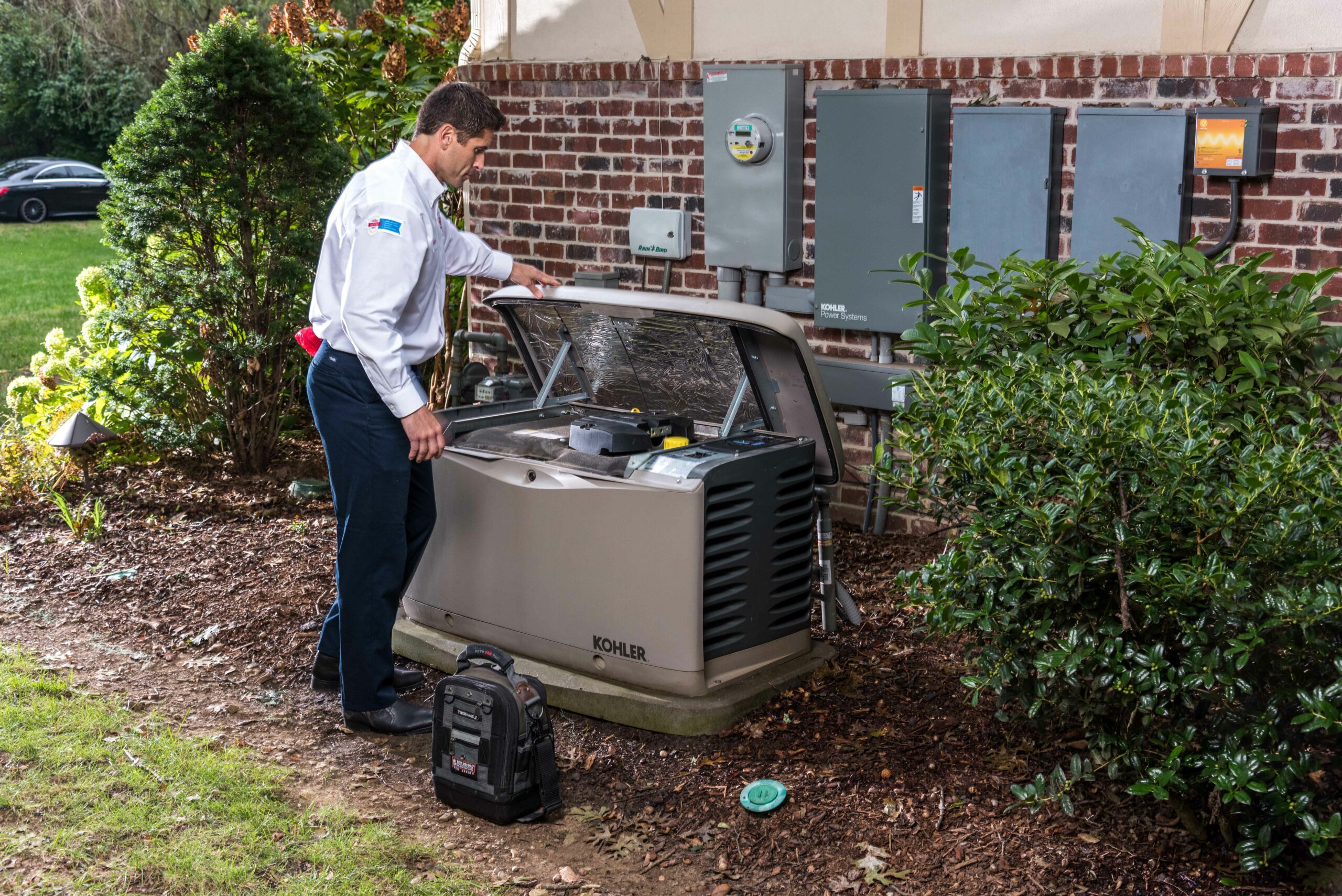
Backup generators are critical units that provide automatic backup power when the grid fails. Generators are often sited outside the structure, connected to the electrical system and fueled by natural gas, propane, or diesel. When a power interruption occurs, the generator senses the power failure and activates within seconds. This mechanism requires an ATS (Automatic Transfer Switch), which separates the building from the main supply and connects it to the generator
(Portland Standby Generators)The unit subsequently generates power, providing energy to critical systems or the entire facility, depending on its capacity. Most standby generators feature a built-in monitoring system that confirms optimal performance and maintenance. The generators function for prolonged times, offering a constant energy supply until the public power returns. Knowing the operation of these systems enables users to see their importance in improving power reliability and reducing interruptions when the power suddenly fails
Advantages of Owning a Backup System
Trustworthiness is a key feature of installing a standby generator, as it guarantees an uninterrupted power supply when the power fails. This crucial capability ensures that homes and businesses remain operational, protecting valuable assets and upholding livability. In addition, backup systems boost security through the avoidance of electricity loss that may result in risky circumstances, such as frozen pipes or medical equipment failures.
Cost-effectiveness is a key positive aspect; while the initial investment may be substantial, the savings over time from preventing food waste, operational downtime, and urgent maintenance can be remarkable. In addition, these generators boost the home's worth, positioning them as an attractive feature for potential buyers.
Convenience is also notable, as these generators automatically activate during an outage, doing away with the requirement for human involvement. This uninterrupted functionality enables homeowners to continue their everyday activities without interruption. In conclusion, setting up a standby system delivers reassurance, assuring that power is constantly supplied when it matters most.
Essential Characteristics to Seek in a Backup Power System
In the process of picking a standby generator, a few vital attributes need to be taken into account to guarantee peak performance and matching the intended purpose. Initially, the power generation capability is essential; potential users must determine the wattage required to power necessary systems during an outage. Furthermore, the type of fuel—whether NG, LP, or diesel—influences operation and operational costs.
An additional key element is the transfer switch, which facilitates seamless power changeover and boosts reliability. The robustness and construction quality are also important; a sturdy unit can handle severe elements.
In addition, how loud it is needs evaluation, as low-noise units are better for neighborhood settings. A few units provide self-starting features, providing convenience during unforeseen blackouts. Finally, warranty and service options must be examined, offering trustworthy maintenance and maintenance. When considering these factors, prospective buyers can choose a backup system that aligns with their individual power demands effectively.
Key Points to Review Before Purchase
Before deciding on a standby generator, potential buyers should thoroughly review several essential factors to confirm they arrive at an well-considered conclusion. Portland Standby Generators. To start, they must assess their power needs by figuring out the necessary capacity to power essential devices during an outage. Following this, the power source is important; choices are natural gas, propane, or diesel, each with unique advantages and access factors
Furthermore, purchasers must evaluate the generator's power switch mechanism, which facilitates seamless power transfer. The requirements for installation must also be considered, since certain models could demand a certified installation or acquiring a permit
Warranty and service options must be carefully reviewed, as these can greatly impact your satisfaction over time. To conclude, potential buyers should evaluate how loud the generator is, particularly if they reside in populated neighborhoods. By examining these factors, buyers are able to choose a backup power unit that best meets their particular requirements and desires
Maintenance Tips for Your Standby Generator

Regular maintenance is essential to ensure optimal functioning and the long life of a backup generator. Owners should begin by inspecting the oil level in the unit, changing the oil and filter following the guidelines provided by the manufacturer. Make sure to check the air filter replacing it if required to guarantee optimal airflow. You should also test the battery cleaning corrosion from the terminals to ensure it starts reliably.
Run load tests from time to time to verify the generator manages its rated capacity. Furthermore, ensure that the exhaust is clear of blockages and leaks. Keeping the generator clean and free from debris helps avoid overheating and problems.
Lastly, book professional upkeep annually at a minimum to address any potential problems and carry out detailed inspections. By using these maintenance practices can greatly extend the lifespan of a standby generator, giving you confidence during electrical failures.
Common Questions
What is the Typical Price of Standby Generators?

Standby generators typically cost between $2,000 and $15,000, depending on factors such as the brand, power output, and complexity of installation. Additional expenses may include maintenance, permits, and the cost of fuel tanks, affecting the total investment needed.
Can I Install a Standby Generator Myself?
Self-installation of a backup generator is feasible, but you must have knowledge of local regulations and electrical systems. Most professionals advise getting a contractor to ensure security, adherence to regulations, and optimal functioning presentation of the generator installation.
What Fuels Do Standby Generators Use?
Standby generators typically use fuels such as gasoline, propane, natural gas, or diesel. Portland Standby Generators. The selection of energy source often depends on availability, cost, and specific energy needs, influencing the efficiency and performance of the generator
Are Permits Necessary for Installation?
Permits are frequently necessary for the installation of standby generators. Regulations vary by location, so it is crucial for contractors or homeowners to consult local authorities to ensure adherence with all relevant codes and requirements.
For What Duration Can a Standby Unit Operate Continuously?
A standby generator can run continuously for a range of periods, usually between 24 and 48 hours, depending on fuel supply and load demands. Regular maintenance guarantees maximum efficiency and durability during prolonged periods of use.